

Despite the associated risks, some athletes value insulin for its anabolic effects; however, they must carefully manage body fat levels. High insulin levels hinder fat burning, requiring individuals to adhere to a strict, carefully planned diet. Proper calorie and fat management ensures that glucose and protein are directed toward muscle rather than fat storage. Individuals may find it best to administer insulin immediately after intense weight training sessions alongside food for optimal results.
When used correctly, insulin can facilitate substantial muscle growth in a relatively short timeframe. While some may struggle to control fat gain, it is achievable under favorable conditions. The combined use of anabolic steroids and Human Growth Hormone (HGH) is typically recommended in performance settings for superior results and fat management.
Side Effects of Insulin:
Insulin may lead to several side effects primarily associated with hypoglycemia. For diabetic patients, this usually poses little risk with appropriate dosing; however, in performance scenarios, it can be a significant concern. Although hypoglycemia may not seem severe at first glance, it can lead to numerous complications, including death.
Hypoglycemia occurs when blood sugar levels drop too low and is the main side effect linked to insulin. Common symptoms include:
- Dizziness
- Hunger
- Drowsiness
- Blurred Vision
- Depression
- Sweating
- Heart Palpitations
- Tingling in Extremities
- Loss of Focus
- Headaches
- Lightheadedness
- Anxiety
- Irritability
- Slurred Speech
- Personality Changes
- Unsteady Movements
If symptoms of hypoglycemia appear, immediate consumption of fast-acting carbohydrates, such as candy or sugary drinks, is advised. Individuals should not sleep after administering insulin unless they are sure their blood glucose levels are stable, as this could lead to severe hypoglycemia during sleep. If severe hypoglycemia occurs, medical assistance should be sought right away. Due to these potential side effects, it’s advised never to self-administer insulin alone.
Many wonder how serious hypoglycemia can be. While it’s often easily treatable, it can escalate to a diabetic coma, possibly resulting in unresponsiveness or even death. There have been numerous reported fatalities connected to performance-related insulin use.
Additionally, allergic reactions may occur in some individuals, resulting in swelling, itching, or irritation at the injection site. These effects are rare, but medical attention is warranted if they manifest. The hormone may also cause localized fat accumulation if injected repeatedly into the same area, emphasizing the importance of rotating injection sites.
Insulin Administration:
When treating diabetes, the required insulin dosage can vary widely among patients, as individual needs fluctuate.
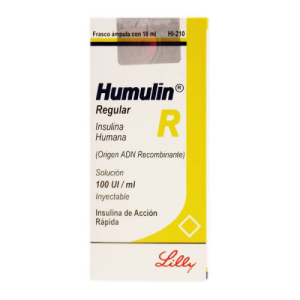
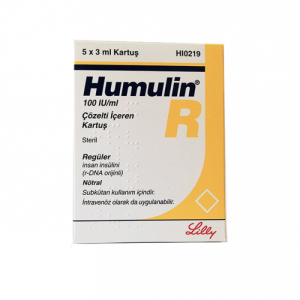
For performance enhancement, several forms of insulin exist, typically categorized as short-acting or long-acting. Fast-acting insulin options, such as Humulin-R, Humalog, and Novolog, are the most rational choices for athletes.
Humalog acts quickly, showing effects within 15 minutes post-injection, peaking between 30 to 90 minutes, with a total activity duration of 3-5 hours. Novolog and Humulin-R have similar timelines but act slightly slower, with Humulin-R being the slowest. While Novolog may be hard to procure, Humalog generally requires a prescription for access, while Humulin-R is available over the counter, making it a common choice among athletes.
The typical insulin dosage for performance enhancement is 1 IU for every 10 pounds of body weight. First-time users should begin with a lower dose of 1 IU post-workout, gradually increasing by 1-2 IU daily until they find a comfortable level. If hypoglycemia symptoms arise that are hard to counteract even with sugar intake, the dosage may be too high. Many individuals do not require the full 1 IU per 10 pounds due to varying tolerance levels.
Once an optimal insulin dosage is established, it should be administered immediately following weight training for maximum effectiveness. After injection, individuals typically need at least 100 grams of carbohydrates, with solid and liquid carbs consumed about 15 minutes later, alongside 40-50 grams of protein.
While 100 grams of carbs is a baseline, users may need more as insulin doses increase. It’s essential to remember that insulin does not require excessive amounts to be effective, so starting with lower doses and gradually adjusting is advisable.
Post-injection, it is crucial to keep fast-acting carbohydrates accessible in case of hypoglycemia symptoms. A prudent insulin user should never inject without a sufficient carbohydrate source nearby. If symptoms appear, carbohydrates should be consumed until they subside. Regardless of hypoglycemia symptoms, another meal should be prepared soon after the post-injection meal.
Insulin Evaluation:
Insulin plays a critical role in health and proper bodily functions. When used as a performance enhancer, it can facilitate muscle growth significantly; however, its application carries risks. Many men may find they can achieve their performance goals without insulin and benefit their physique more in the long run by avoiding it altogether. Nevertheless, it remains popular within competitive bodybuilding communities, although those involved often possess exceptional genetics and utilize a variety of other hormones.
Additionally, some athletes not focused on physique enhancement may turn to insulin since it is not detectable in drug tests, using it alongside HGH and possibly low doses of testosterone and thyroid medications to navigate testing challenges. However, their overall insulin dosage tends to remain low.


Reviews
There are no reviews yet.